Table Of Content

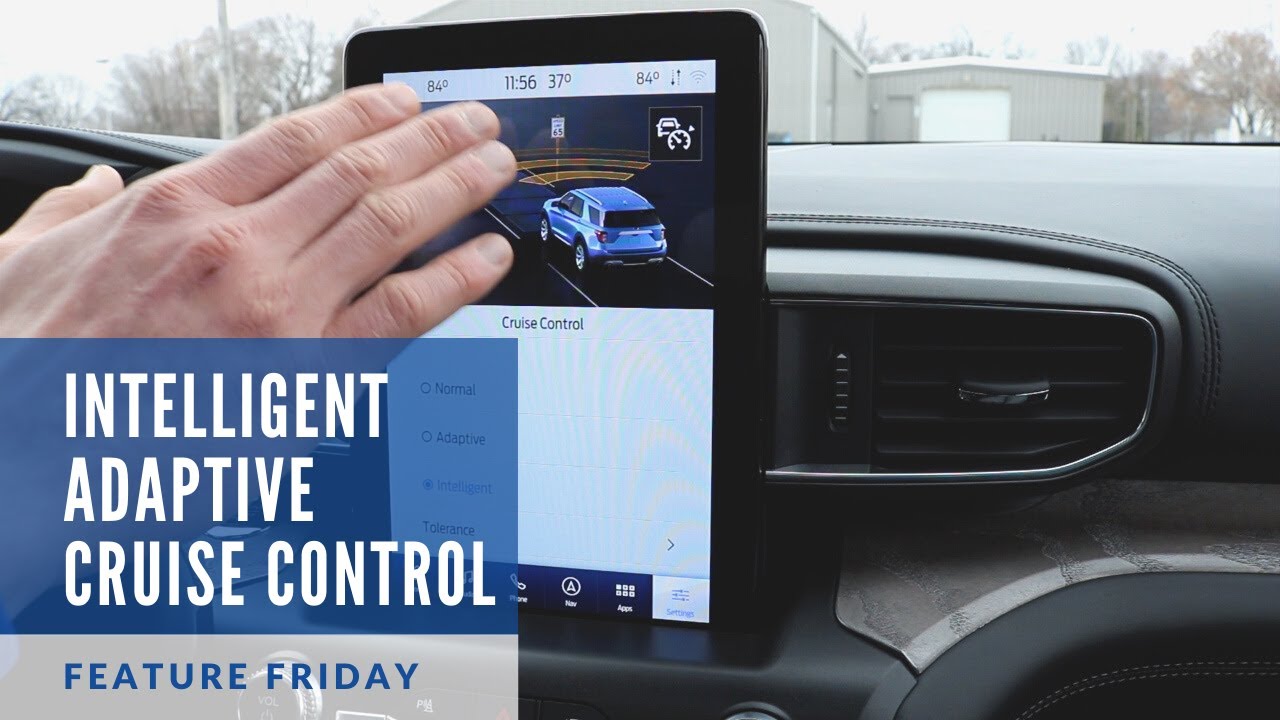
Adaptive cruise control is similar to conventional cruise control in that it maintains the vehicle's pre-set speed. However, unlike conventional cruise control, this new system can automatically adjust speed in order to maintain a proper distance between vehicles in the same lane. This is achieved through a radar headway sensor, digital signal processor and longitudinal controller. If the lead vehicle slows down, or if another object is detected, the system sends a signal to the engine or braking system to decelerate. Then, when the road is clear, the system will re-accelerate the vehicle back to the set speed.
Intelligent speed assistance systems are coming, next we need drivers to use them
The driver must manually bring the vehicle up to speed and use a button to set the cruise control to the current speed. Cruise control is not a substitute for a human driver and will require supervision at every step. If you are using a semi-autonomous system, you will not need to steer but will need to keep at least one hand on the wheel for safety measures.
– Set cruise control
Temple mathematicians part of key study on AI-powered cruise control - Temple University News
Temple mathematicians part of key study on AI-powered cruise control.
Posted: Mon, 30 Jan 2023 08:00:00 GMT [source]
Cruise control is an electronic device within your vehicle that controls the speed of your vehicle. It allows the driver to maintain a constant speed of 25 mph without holding their foot on the accelerator. Although the feature has been around for 70 years, automotive manufacturers continue to improve upon the technology to provide drivers with increased comfort, luxury, and convenience whenever they’re behind the wheel.
Examples of adaptive cruise control in a Sentence
When the car is going 55 mph, the throttle position opening will be only half of what it was before. The result is that the closer the car gets to the desired speed, the slower it accelerates. The cruise control system actually has a lot of functions other than controlling the speed of your car.
Examples of cruise control in a Sentence
It’s also important to note that cruise control should not be used in hazardous weather or road conditions. Cruise control is a technology in cars that allows drivers to maintain a constant speed without keeping their foot on the accelerator. To activate cruise control, the driver typically presses a “Set” button or engages a switch on the steering wheel or dashboard. This action captures the current speed of the vehicle and sets it as the target speed for the cruise control system to maintain. As you can see, cruise control is a great way to relieve much of the stress that comes with everyday driving. The constant rate of speed can also drastically improve fuel efficiency for longer drivers.
When the car ahead speeds up, the cruise control will increase the vehicle's speed until it hits its set limit. If you want to dive even deeper into this topic, we’ve written about it before — click here for that article. The “Resume” button, also known as the “Accel” button, allows the driver to restore the previously set speed after it has been canceled or temporarily interrupted. When the driver presses the “Resume” button, the cruise control system accelerates the vehicle to the previously set speed. Luxury automakers such as Tesla and Audi are implementing the newest rendition of cruise control on their latest vehicle models – Semi-autonomous Cruise Control. It works largely the same as adaptive cruise control, but assists drivers with lane guidance and steering.
What are driver drowsiness detection systems and how do they work?
It helps drivers maintain a steady pace on long trips, providing convenience and reducing the likelihood of unintentional speed fluctuations. Cruise control is far more common on American cars than European cars, because the roads in America are generally bigger and straighter, and destinations are farther apart. Stop-and-Go speed control systems can help reduce the stress and fatigue of driving in heavy traffic, as the system takes care of maintaining a safe distance and speed. Some systems also have the ability to recognize and respond to pedestrians and other obstacles, providing an added layer of safety. On the latest vehicles fitted with electronic throttle control, cruise control can be integrated into the vehicle's engine management system.
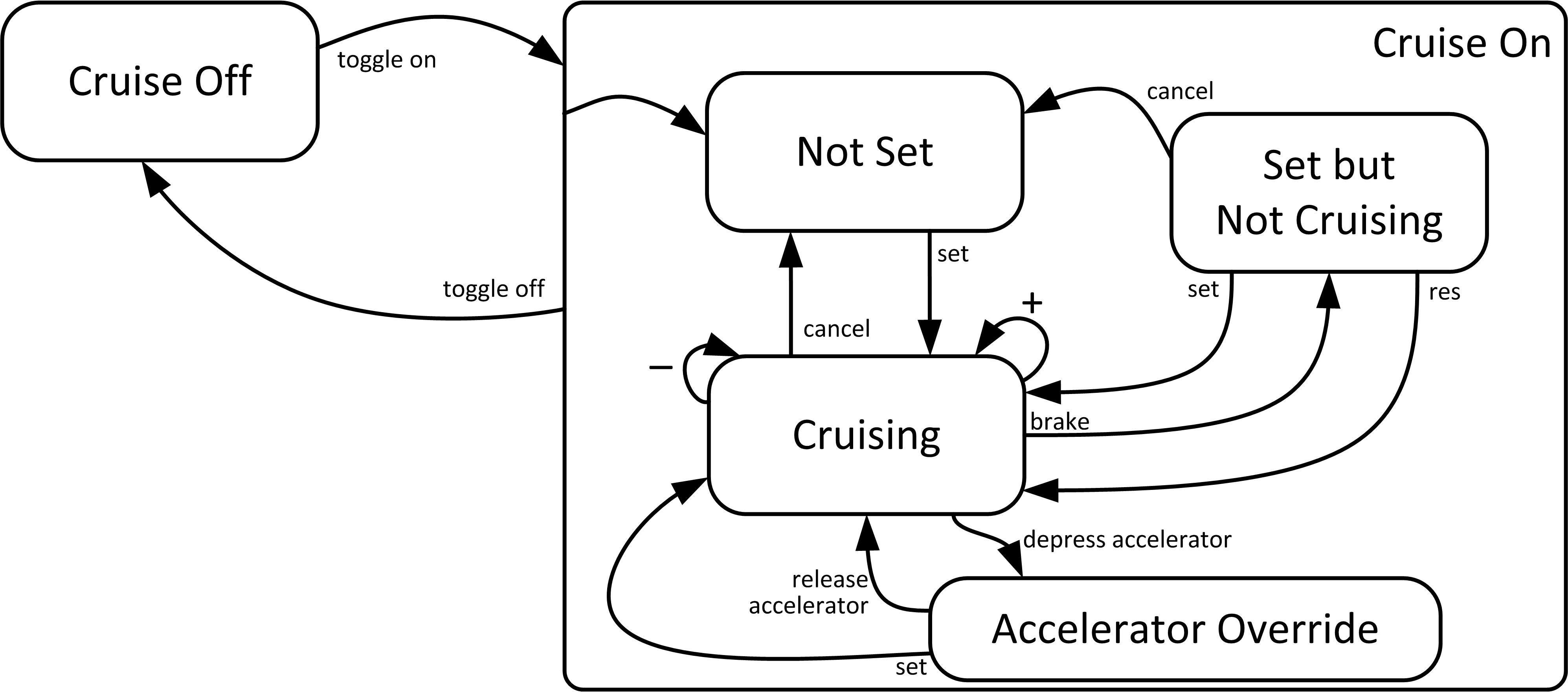
All modern vehicles contain a standard speed limiter capping speed between 120 mph and 180 mph depending to protect the vehicle’s engine and discourage reckless driving. However, an additional limiter can be added as an option in many European-made cars, as well as Tesla, Ford, and Nissan. Drivers are still required to keep their foot on the pedal to keep their vehicle in motion, but will not be able to accelerate past a predefined speed limit. With standard cruise controle, the vehicle will maintain the set speed regardless of changes in the road conditions, such as uphill or downhill slopes or curves. To deactivate the system, the driver can either apply the brakes or turn off the cruise control switch.Standard cruise controle can be found on many vehicles, from entry-level models to high-end luxury cars. Cruise control is a system within a vehicle that enables drivers to establish and sustain a specific speed without having to continuously press the accelerator pedal.
Word of the Day
Cruise control alleviates this by allowing drivers to set and maintain a desired speed without continuous use of the accelerator pedal. Understanding how cruise control functions can help drivers make the most of this convenient feature. It’s important to remember that cruise control is not a substitute for attentive driving. Drivers should always remain aware of their surroundings and be ready to take control of the vehicle at any time.
There are a many different types of adaptive cruise control – radar-based systems, laser-based systems, binocular computer vision systems, assisting systems, multi-sensor systems and predictive systems. The first two are self-explanatory – using radar and laser systems to detect the vehicles surroundings, as opposed to binocular computer vision which uses cameras in the vehicle’s rearview mirror. Other versions, such as assisting systems, can be bought separately to enhance the safety features that the car already has. The first version of cruise control appeared in the early 1900s, in a Wilson-Pilcher car.
When cruise control is no longer needed, or you need to quickly make a maneuver, simply apply pressure to the brakes to disengage the system. As you’re learning how to operate a vehicle, understanding cruise control will help increase your comfort behind the wheel and knowledge of driving. These examples are programmatically compiled from various online sources to illustrate current usage of the word 'cruise control.' Any opinions expressed in the examples do not represent those of Merriam-Webster or its editors.
Adaptive cruise control, on the other hand, uses sensors to detect the distance and speed of vehicles in front of the car, adjusting the vehicle’s speed accordingly to maintain a safe following distance. Stop-and-Go Cruise Control is an advanced form of speed control, Unlike other types of cruise controle systems. It can maintain a safe distance from the vehicle ahead, even in stop-and-go traffic.
Many systems set the cruise control at the current speed, while others require you to manually set one. You can increase and decrease this speed as needed without interrupting the mechanism. Do not attempt to set cruise control when you are traveling over the speed limit. In the picture above, you can see two cables connected to a pivot that moves the throttle valve.


No comments:
Post a Comment